

How to Choose an Outdoor Heater: Engineering Comfort for Extended Seasons
The Costa del Sol’s mild winter lets you entertain outdoors from September through June, but comfort requires strategic heating. Temperatures of 12-15°C feel cold when seated outdoors, even under Mediterranean sun. Modern outdoor heaters divide into two technologies: infrared radiant and convection. Each suits different entertaining styles. Outdoor Concepts specialises in infrared systems that deliver targeted warmth without heating the air. This guide explains the science, product categories, and sizing calculations that determine comfort in your villa’s outdoor spaces.

Infrared vs Convection Heating: Fundamental Differences
Convection heaters warm the surrounding air and create a warm zone. This works indoors with insulation trapping heat, but outdoors wind immediately disperses the warm air. Infrared heating works differently. It emits electromagnetic radiation that heats objects directly: people, furniture, structures. Think of it like the sun’s warmth. The air between you and the heat source stays cool, but your body feels intensely warm. Infrared requires line-of-sight to work effectively. A guest must face the heater to feel maximum benefit. This directional nature lets you zone heat precisely: warm the dining area intensely while leaving walkways cool. The big advantage in windy coastal locations is that wind doesn’t disperse infrared warmth the way it does with convection.

Electric vs Gas Systems
Electric infrared heaters (Bromic Tungsten, Platinum, Eclipse) convert electrical energy directly to radiant heat with no fuel to buy. Installation requires a suitable electrical connection. Electric systems cost less to install, need zero ventilation, and integrate seamlessly into pergola soffits or architectural elements. Running costs depend on local electricity rates. A 6 kW heater uses 6 kWh for each hour at full power, so the cost is easy to work out from your electricity rate. Gas infrared heaters burn propane or natural gas and need a gas supply. For residential villa terraces, electric solutions from Bromic typically offer better value and design flexibility.

Bromic Product Range: Tungsten, Platinum, and Eclipse Collections
Bromic’s three electric collections serve different applications. Tungsten projects directional heat over dining tables and lounging clusters. Tungsten Electric comes in 2kW, 3kW, 4kW and 6kW, so you can size it to a small patio or a large terrace. The 4kW and 6kW models have two heating elements, and with a dimmer controller you can turn the heat down for a quiet evening and up for a full table. Its strong, industrial design makes it attractive beyond basic function. Platinum emphasises integration into design-conscious spaces, available in black or white with low-profile mounting options (wall, ceiling, flush-mount). Platinum suits modern minimalist terraces where the heater shouldn’t visually dominate. Three power options, 2300W, 3400W and 4500W, plus flexible mounting let you match it to the architecture. Eclipse is the flexible option: a portable on a weighted base with castors, or a pendant that hangs from the ceiling with its own dimmable LED light. It suits terraces where the heating needs to move with the season or the furniture layout.

Sizing: Coverage Calculation
A properly sized heater warms without excessive energy consumption. Three things decide the size: the area to heat, how cold it gets when you use it and how exposed the terrace is to wind. Bromic gives a heating area for each model; we use it, with your layout, to draw up the heating plan. An undersized system leaves guests cold.

Installation Options: Ceiling, Wall, and Freestanding
Ceiling-mounted heaters (Bromic Tungsten, Platinum) integrate into pergola structures or freestanding frames with minimal visual intrusion. This professional approach works well for structured entertaining spaces where architectural integration matters. Each model has a recommended mounting height, which Bromic specifies. Wall-mounted options work well for terraces adjacent to building facades, though they only heat seating directly perpendicular to the wall. Freestanding units (Bromic Eclipse) offer flexibility for seasonal deployment. Activate them for cool months, store or relocate them during summer. Freestanding systems cost less to install (no electrical rewiring) but consume floor space and look less integrated.

Smart Controls & Programming
Bromic’s Affinity controllers switch and dim heaters by zone from the Smart-Heat app on your phone, with timers and schedules, and work with Amazon Alexa, Google Home and home automation. You can warm your terrace 15 minutes before sunset with programming that activates heaters automatically. Remote dimming adjusts intensity as temperature or guest preferences change. Smart scheduling permits seasonal automation: activate heaters automatically at sunset from October through April, disable them May through September.

Design Integration: Hiding Infrastructure
Luxury outdoor design minimizes visible infrastructure. Bromic’s low-profile Platinum collection (available in black or white) matches most architectural styles. For modern minimalist terraces, Platinum’s flush-mount ceiling installation creates nearly invisible heating. For traditionally styled spaces, position heaters at terrace edges (behind planters or screens) to place warmth where needed while hiding the equipment. Match heater design with overall look. Tungsten’s strong, industrial look suits modern spaces. Platinum’s seamless design serves contemporary minimalism.

FAQ: Outdoor Heating Selection
Does infrared heating work on cloudy or windy days?
Yes, though wind still cools the body. Infrared heats people directly, so wind does not blow the warmth away as it does with warm air. On a breezy, overcast evening an infrared heater still feels noticeably warm.
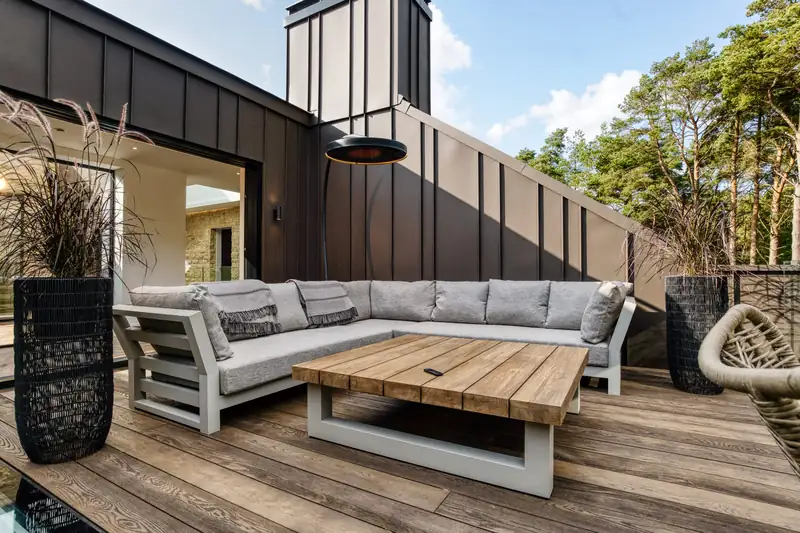
Can I use multiple smaller heaters instead of one large unit?
Absolutely. Multiple 3-4kW ceiling units (Bromic Tungsten, Platinum) distribute heat more evenly than one large heater. This approach permits zone heating (dining area has its own heater, lounging area another) and flexibility, activate only occupied zones. Professional installations often use this strategy on larger terraces.
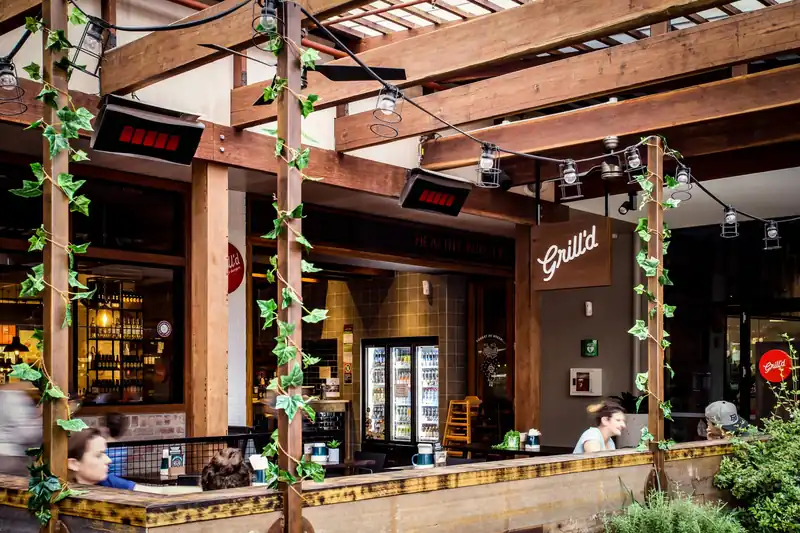
What’s the difference between 3kW and 6kW Bromic Tungsten heaters?
The 6 kW heater has double the power, so it warms a larger area or the same area more intensely. Bromic gives the heating area of each model; we size them to your terrace, how you use it and how exposed it is.
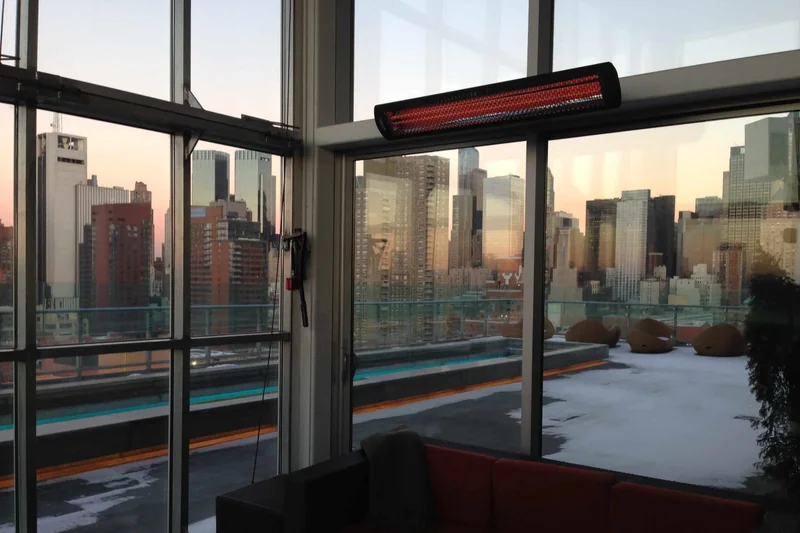
Is electric or gas heating more economical for entertaining 2-3 times weekly?
For most homes, electric: a 6 kW heater uses 6 kWh per hour at full power, with no gas bottles to buy, store or change, and no gas installation. It is what we recommend for villa terraces.