

Bioethanol Fireplace Guide: Real Flame Without a Flue
Real fire appeals to human psychology. The living flame. The warmth. The sensory experience of combustion. Traditional fireplaces demand flues, complex installation, and substantial infrastructure. Bioethanol technology liberates fire from these constraints. EcoSmart Fire’s bioethanol burners deliver authentic flame experiences indoors and outdoors without chimneys, gas lines, or venting. This guide explains how bioethanol works, where it can go and how to use it safely.

How Bioethanol Works: Chemistry and Combustion
Bioethanol is denatured ethanol (drinking-grade alcohol made unpalatable) that burns cleanly in specially designed burners. When it burns, bioethanol produces heat, water vapour and carbon dioxide, without the smoke, soot or ash of wood. That is why no flue is needed, although an indoor room still needs fresh air (see below). EcoSmart Fire burners are made in stainless steel and designed for controlled combustion.

Indoor Applications: Living Room Drama and Architectural Integration
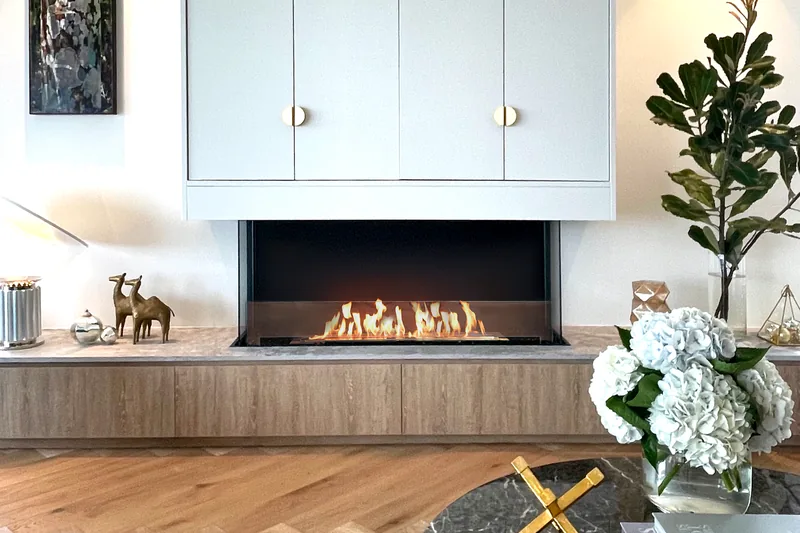
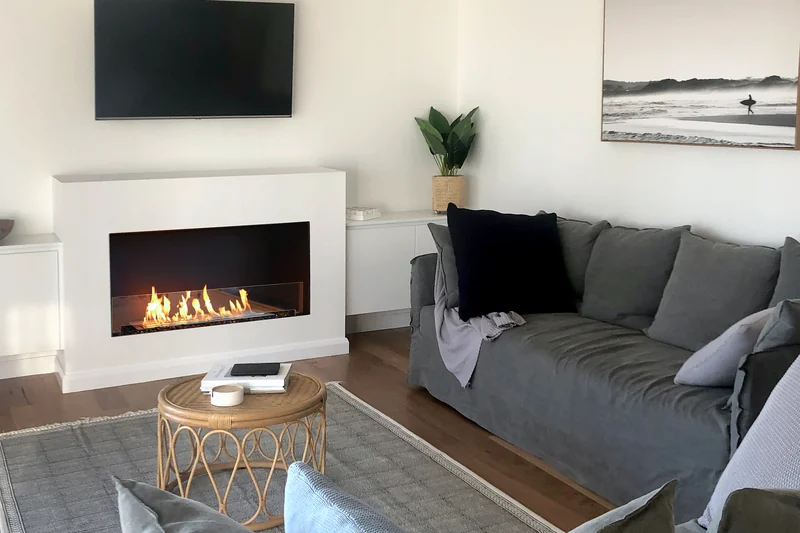
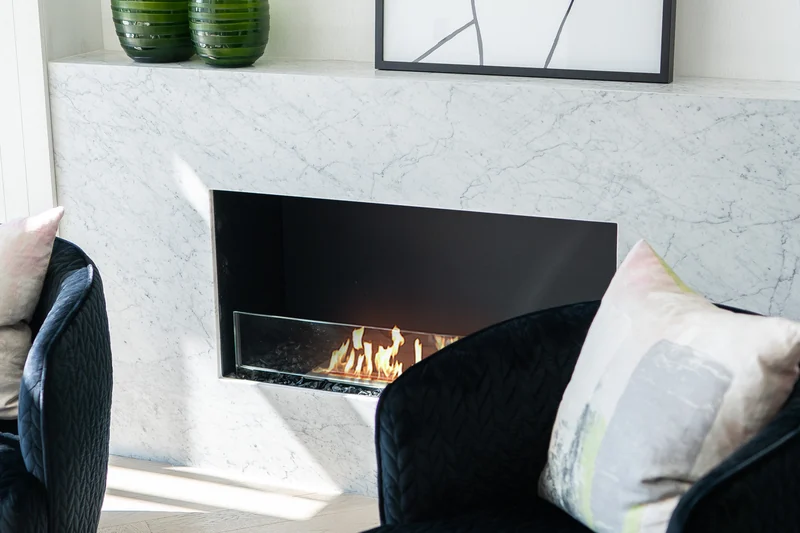
Bioethanol fireplaces permit dramatic interior installations without renovation. A traditional masonry fireplace requires structural modification: flue integration, hearth construction, ventilation ducting. Bioethanol inserts fit into existing fireplace openings (converting non-functional hearths) or integrate into wall-mounted modern designs. Contemporary villas often feature minimalist interiors where traditional heavy fireplaces feel inappropriate. Bioethanol’s sleek burners and minimal visual footprint suit glass, steel, and stone design perfectly. Fireplace inserts from EcoSmart Fire deliver real flame experiences within custom cabinetry or architectural niches, creating focal points without structural intervention. The atmosphere of a real flame matters as much as its heat indoors.

Outdoor Applications: Fire Pits and Pavilion Features
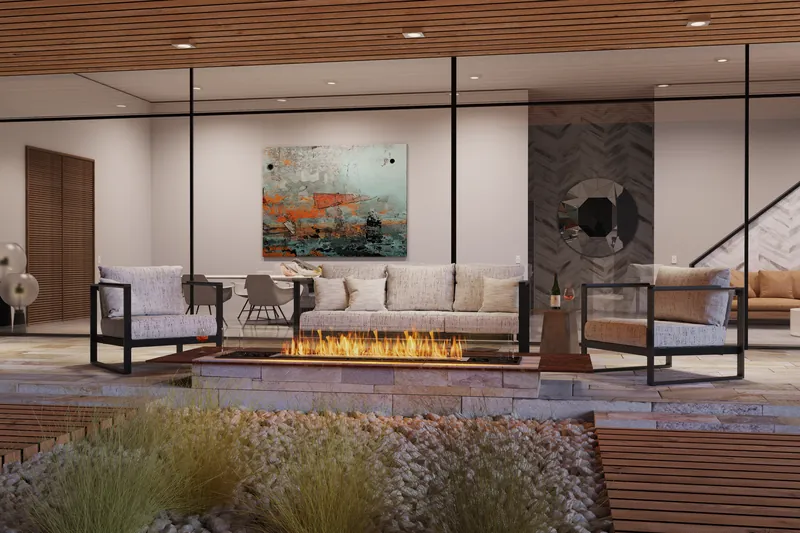
Outdoors, bioethanol liberates fire from structural constraints. EcoSmart Fire’s outdoor ethanol burners range from tabletop fire bowls to integrated fire pit systems suitable for terraces without flue infrastructure. Position a burner as a focal point near seating clusters. Guests gather around a living flame, enjoying its warmth and atmosphere. Outdoor applications benefit from bioethanol’s lack of smoke. Dining areas with activated fireplaces remain smoke-free, unlike wood-burning installations where wind direction becomes a problem. For Costa del Sol properties, late-evening entertaining (October-April) combines bioethanol fire with Bromic infrared heating and wine service. The ritualistic gathering around fire feels quintessentially Mediterranean, now possible without masonry.

Installation & Ventilation Requirements
Despite being ventless, bioethanol fireplaces aren’t entirely ventilation-independent. They consume atmospheric oxygen and produce carbon dioxide and water vapour. Adequate room ventilation ensures air quality during extended operation. EcoSmart Fire gives a minimum room size for each burner in its instructions: follow it. Ensure natural air exchange. Open windows during operation, or specify the fireplace for outdoor use exclusively if interior ventilation is limited. Installation itself is straightforward. Burners require no structural modification, no electrical connection (some models include electronic ignition, but fuel burn is purely chemical). Position bioethanol units on fire-resistant surfaces, with the clearances the manufacturer specifies. Professional installation ensures proper setup and safety briefing, critical for devices involving real fire.

Safety Protocols & Important Warnings
Bioethanol fireplaces are safe when operated correctly but demand user responsibility. Critical rules: never refuel while the fireplace is operating or hot. Let the burner cool completely after extinguishing it before refuelling. This prevents catastrophic fuel ignition. Use only approved bioethanol fuel (denatured, not drinking alcohol or petrol). Store fuel in cool, dark locations, never near the fireplace. Ensure proper ventilation during operation. Stuffy rooms can accumulate carbon dioxide. Don’t touch the burner or surrounding areas during operation. They get very hot. Follow EcoSmart Fire’s instructions; responsibility for safe use rests with the user. With young children or pets around, never leave the fire unattended. Treat bioethanol fireplaces with the respect due any real-flame appliance.

Running Costs: Affordability and Fuel Efficiency
Running costs depend on the size of the burner, the flame setting and how long it burns. EcoSmart gives the burn time per fill for each model, and we can quote the fuel. Bioethanol fireplaces work for regular use, not just special occasions.

Design Integration: Architecture and Aesthetic Control
Bioethanol’s flexibility permits dramatic design integration. A custom metal fireplace insert in a minimalist villa’s double-height living room creates architectural statements impossible with traditional masonry. Outdoor fire bowls positioned as garden focal points (surrounded by seating, perhaps overlooking Mediterranean views) become evening gathering points. The flame’s height and intensity are controllable. Some EcoSmart models feature adjustable burners permitting flame adjustment from intimate flicker to dramatic tall flame. This control lets you match fireplace intensity to entertaining context: small flame for quiet dinners, theatrical intensity for group entertaining. The clean-burning nature (no smoke, minimal odour) means placement needn’t compromise air quality. Indoors, outdoors, pavilions, even pergola integration become viable.

Architect Specification: Professional Standards
EcoSmart Fire publishes installation clearances, ventilation requirements and operating instructions for each burner, and recommends its own e-NRG bioethanol. This documentation protects both installer and homeowner, ensuring systems meet safety and performance standards. For villa renovations involving architect design, bioethanol fireplaces represent modern alternatives to traditional hearths.

FAQ: Bioethanol Fireplace Considerations
Does a bioethanol fireplace actually provide meaningful heat, or is it mainly decorative?
Both. A burner gives real heat, felt most close to the flame, but it is not a main heating system. Think of bioethanol fireplaces as ambience-plus-warmth rather than primary heat sources. They transform entertaining spaces thermally and psychologically, but shouldn’t replace Bromic infrared systems for primary outdoor heating.
Can I use bioethanol fireplaces indoors without any ventilation upgrades?
Only if the room meets the minimum size EcoSmart gives for that burner, and with fresh air coming in. Do not burn it for long in a sealed room. Outdoors, ventilation is not an issue.
What happens if I accidentally refuel while the fireplace is hot?
Fuel poured onto a hot burner can catch fire, which can cause a serious fire. This is the main safety risk with bioethanol: never refuel while it is lit, and always let the burner cool completely first.
Are bioethanol fireplaces legal in Spain, or do building codes restrict them?
Bioethanol fireplaces are widely sold and used in Spain. For a built-in installation, check any local requirements with your architect or the town hall.